
How Curating Your Home Differs From Decorating
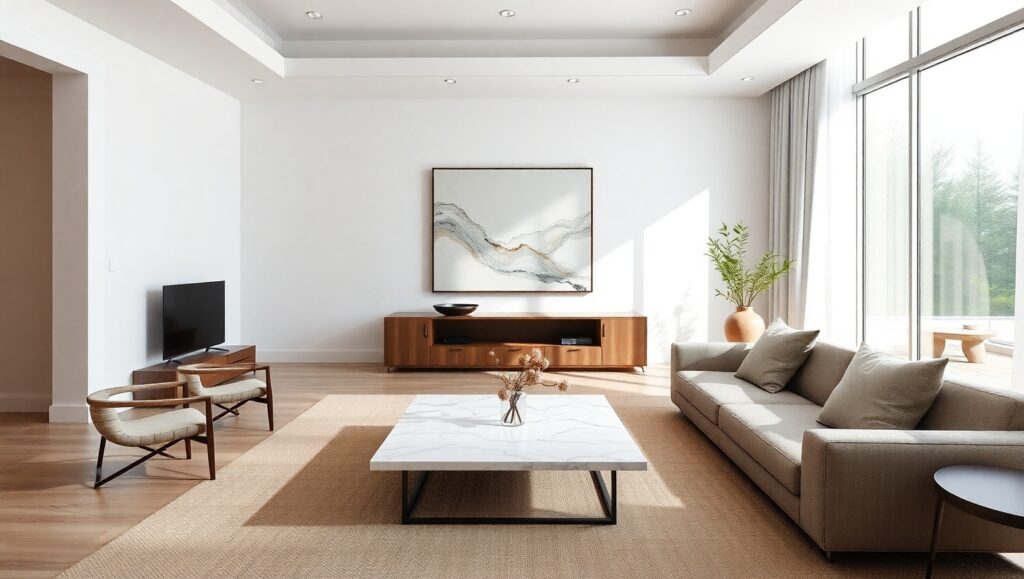
Curating your home is a different activity from decorating it, and most homes are decorated rather than curated. A sofa is chosen because it fits the space. A rug because it ties the colours together. Cushions because the sofa needed something. Objects accumulate in this way, each decision sensible in isolation, the sum of them producing a room that functions but does not cohere.
Curating is a different activity entirely. It is slower, more deliberate, and considerably more demanding. It requires knowing not only what you like but why, and being willing to wait for the thing that is right rather than settling for the thing that is available.
The homes that feel genuinely extraordinary are almost always curated. Not necessarily expensive, not necessarily large, but considered in a way that is immediately legible to anyone who walks into them. There is an intelligence to how they are arranged. A sense that every object is there for a reason.
The decorator’s instinct and why it falls short
Decorating begins with a room and asks: what does this need? It is a problem to be solved, a corner that feels empty, a wall that needs something, a surface that looks bare. The answer is always another object.
This logic, followed consistently, produces rooms that are full without ever feeling complete. The problem is not the objects themselves. It is that they were chosen to solve a spatial problem rather than to contribute something of their own. They fill gaps. They do not add meaning.
What curating your home requires
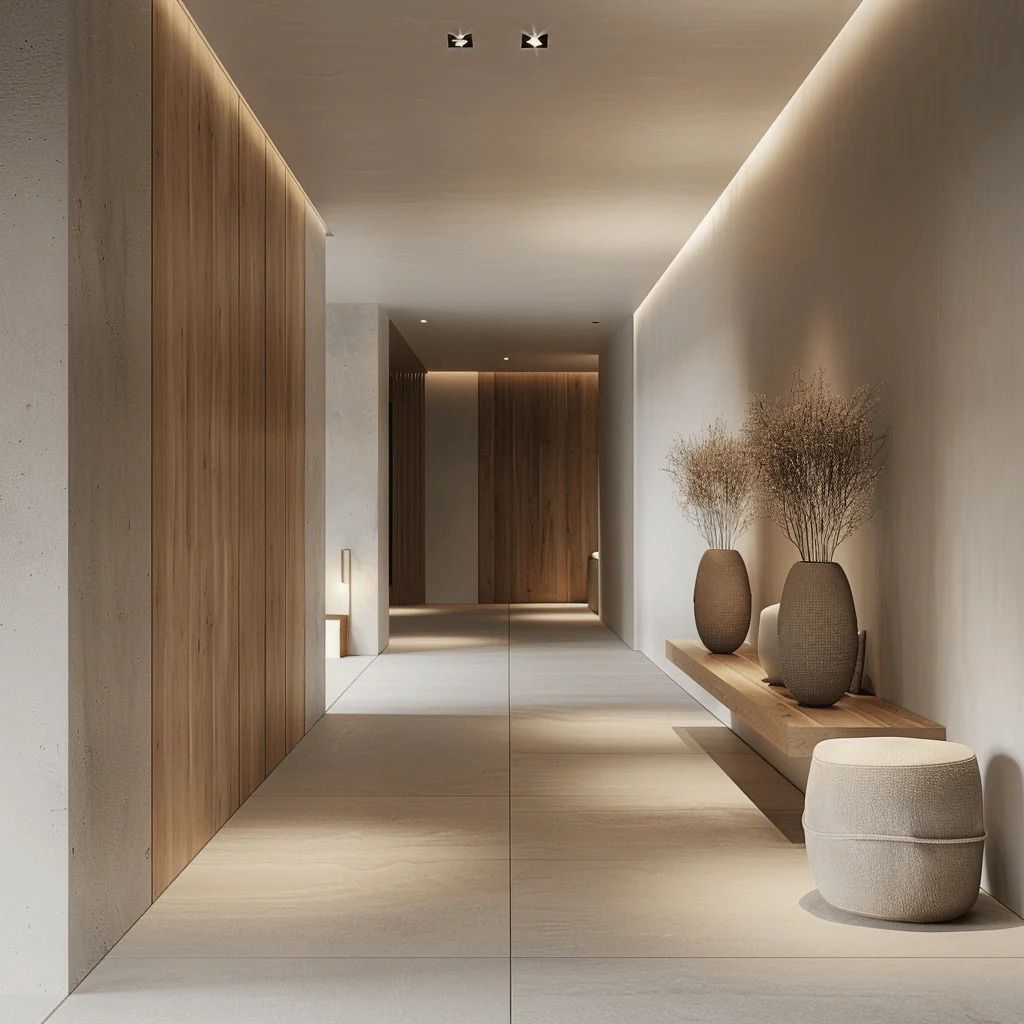
Curating your home begins not with a room but with a point of view. It asks not what a space needs but what you believe about how a home should feel, and then holds every object to that standard.
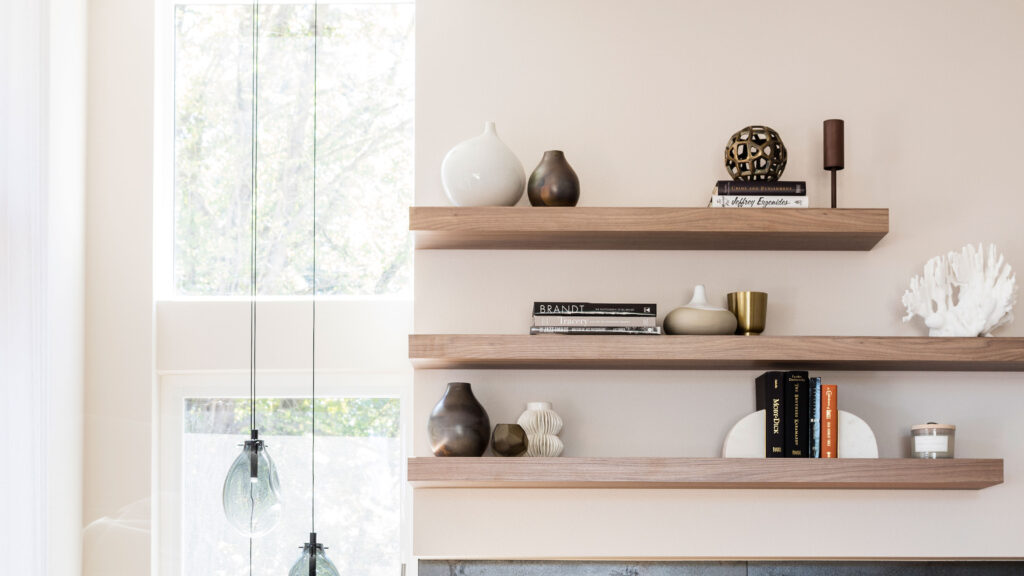
This means that some rooms stay incomplete for months. That a shelf sits empty while the right thing is being found. That a piece is passed over not because it is wrong in itself but because it is not quite right for this particular home, this particular life.
It also means that when the right object arrives, a ceramic whose weight feels exactly as it should, a length of linen in precisely the tone the room has been waiting for, it is immediately obvious. It does not require convincing. It simply belongs.
On the patience it takes
There is a kind of confidence required to leave a room unfinished. To resist the impulse to complete it before it is ready. The rooms that look as though they came together effortlessly are, almost without exception, the ones that took the longest, because their owners were unwilling to compromise.
This patience is not passive. It is an active refusal of the adequate in favour of the right. It is the understanding that a home built carefully over years is worth more than one assembled quickly, however much was spent in the process.
What a curated home feels like to be in
The difference is perceptible immediately, even if it is not immediately explicable. A curated home has a quality of intention, you sense that the person who lives there has thought carefully about how they want to live, and arranged everything in service of that.
It is not about display. The best curated homes are not showrooms. They are lived in, the throw is actually used, the ceramics hold things, the candle has been burned. The objects are present in daily life rather than arranged for occasional admiration.
That quality of things that are both beautiful and genuinely used, is perhaps the most accurate definition of curation at its best.
The role of fewer, better things
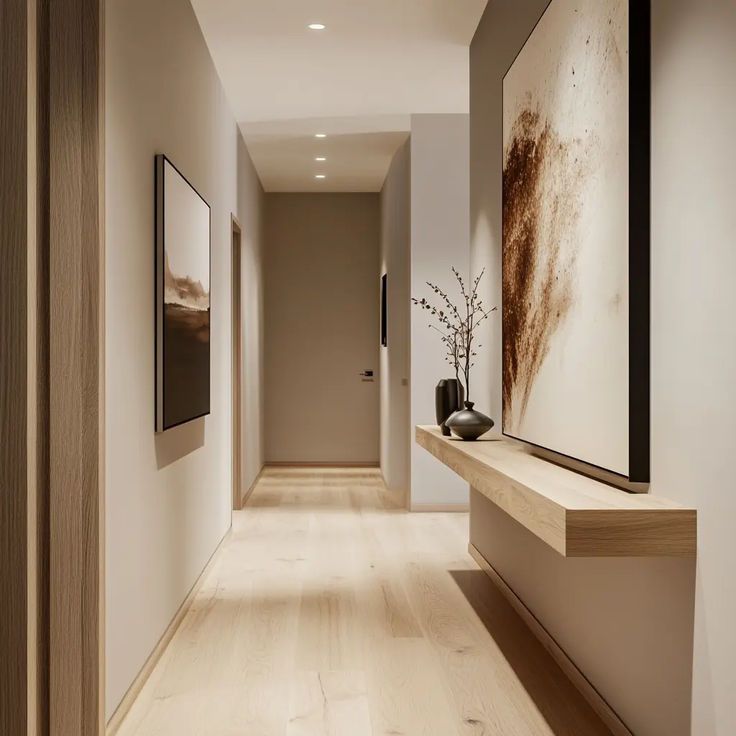
A curator’s instinct is not to fill a room but to elevate it. This almost always means fewer objects, each of which carries more weight. A single exceptional piece on a shelf communicates more than a shelf arranged to capacity. A room with one throw of real quality feels more considered than one with four that are merely fine.
This is not minimalism in the aesthetic sense. It is simply the result of a standard applied consistently, that everything present should be there because it is the best version of itself, chosen for this home, for this life, for the long term. For further reading, the Architectural Digest archive is a useful reference.
Petits Pas exists for people who curate rather than decorate. Every piece is chosen with that standard in mind, not to fill a space, but to deserve one.